Blog / Industry insights
In today’s competitive business environment, operational efficiency is critical for success. Across the United States, companies are turning to robotics to streamline workflows, cut costs, and improve service delivery. With advancements in technology, robotic solutions are transforming industries ranging from hospitality to manufacturing, enabling businesses to stay ahead in a rapidly evolving landscape.
How Robotics Streamlines Operations
Robots are revolutionizing business processes by automating repetitive tasks and ensuring accuracy and efficiency. This transformation is evident across various sectors:
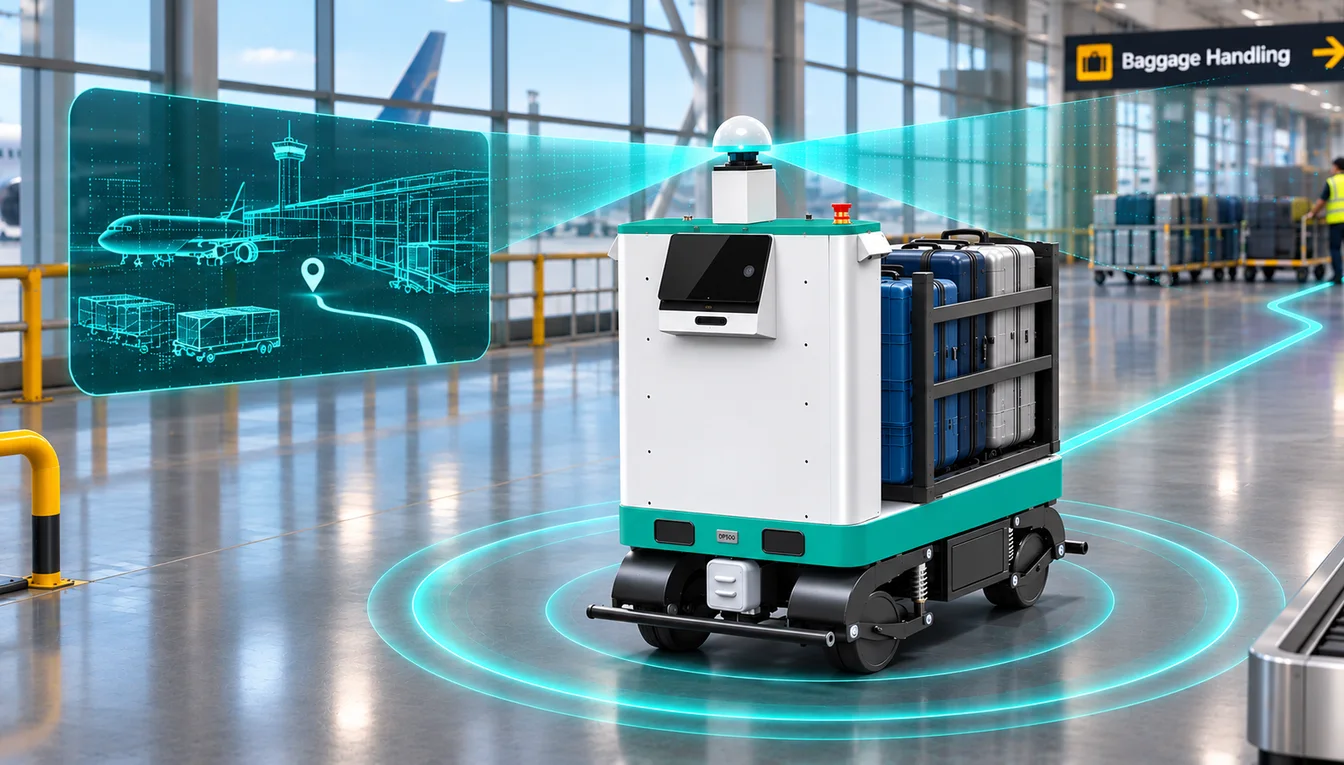
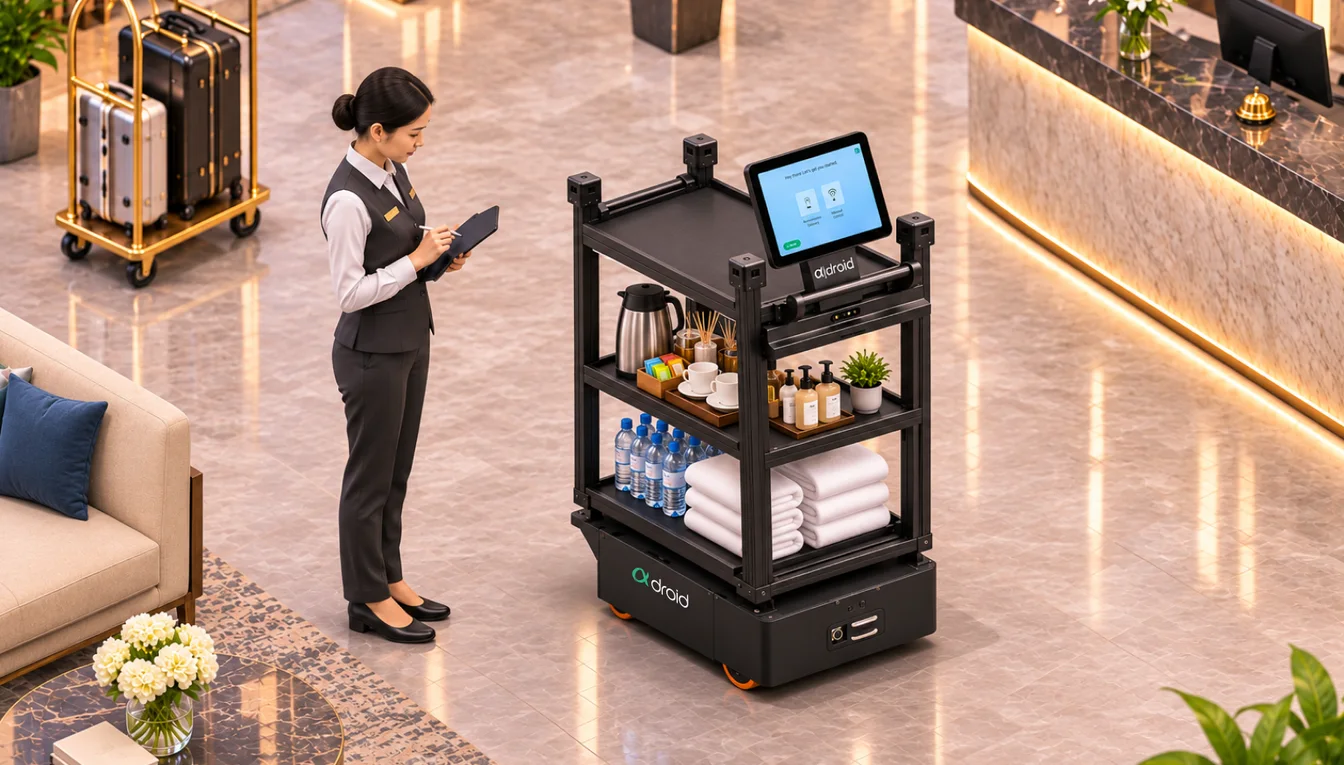
- Hospitality: Service bots handle tasks like room deliveries, luggage transportation, and concierge services, allowing human staff to focus on personalized customer care.
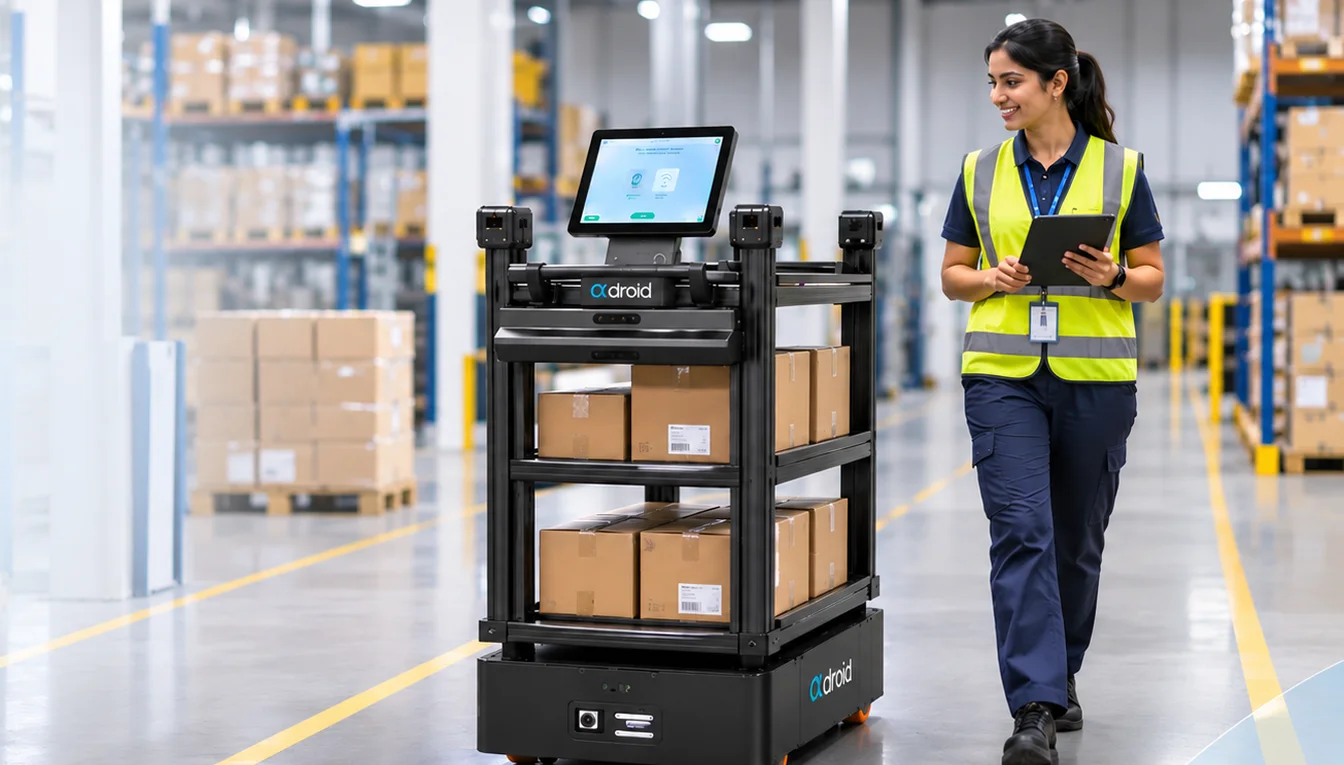
- Logistics and Warehousing: Robots enhance inventory management, optimize order fulfillment, and reduce errors in supply chain operations.
By delegating mundane tasks to bots, businesses can allocate human resources to more strategic roles, improving overall productivity.
Cost Savings Through Robotics
One of the most significant advantages of robotics is cost reduction. Robots operate continuously, reducing downtime and increasing efficiency. In the U.S., where labor shortages and rising wages challenge many industries, robotic solutions provide a reliable alternative.
Key cost-saving benefits include:
- With the integration of robotics, the healthcare industry is shifting towards faster, safer, and more patient-centric solutions. The future isn’t just about machines taking over—it’s about human and robotic collaboration to create a healthcare system that is more efficient, precise, and accessible for all.
- As medical facilities worldwide face increasing patient loads and staff shortages, robotics and AI are stepping in to bridge the gap. These smart technologies are not replacing human expertise but rather enhancing it—enabling doctors, nurses, and caregivers to provide faster, safer, and more efficient care than ever before.
- The smart hospital revolution is here. The only question is—are we ready to embrace it?
Improving Service Delivery
Robots also play a crucial role in enhancing the quality and consistency of service. Their ability to perform tasks with accuracy ensures a seamless experience for customers.
Examples of improved service delivery include:
- Retail: Robotics-driven inventory systems ensure shelves are well-stocked, improving customer satisfaction.
- Healthcare: Robots assist in patient care, medication delivery, and sterilization, boosting efficiency and safety.
By integrating bots into service roles, businesses can elevate their brand reputation while maintaining high operational standards.
Why U.S. Businesses Are Adopting Robotics
In a market that demands innovation, robotics offers a competitive edge. Businesses in the United States are embracing automation to address key challenges, such as:
- Labor shortages
- Growing demand for consistent and high-quality services
Robotic solutions not only solve these problems but also position companies for long-term success.
The Future of Robotics in Business
As robotic technology advances, its applications will continue to expand. From AI-powered bots that learn and adapt to collaborative bots that work alongside humans, the future of robotics promises even greater efficiency and innovation.
Businesses that adopt these technologies today are not just enhancing current operations—they are future-proofing their enterprises in a competitive, tech-driven world.
Conclusion
Robotics is transforming how businesses operate in the United States. By streamlining processes, reducing costs, and improving service delivery, robotic solutions empower companies to achieve greater efficiency and customer satisfaction. As industries continue to evolve, embracing robotics will be essential for maintaining a competitive edge and achieving sustainable growth.


 4 mins read
 13 May 2026